Lymphedema and its treatment with the Victoria Artificial Lymphatic Vessel: a solution for breast cancer treatment.
1.8 MILLIONS
of new cases per year
Involves
Consequences
In its treatment, such as
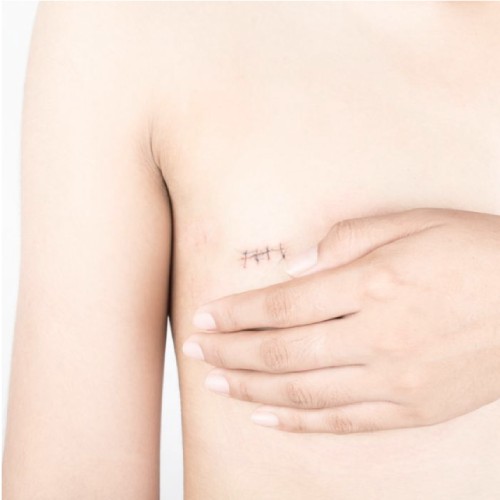
Mastectomy
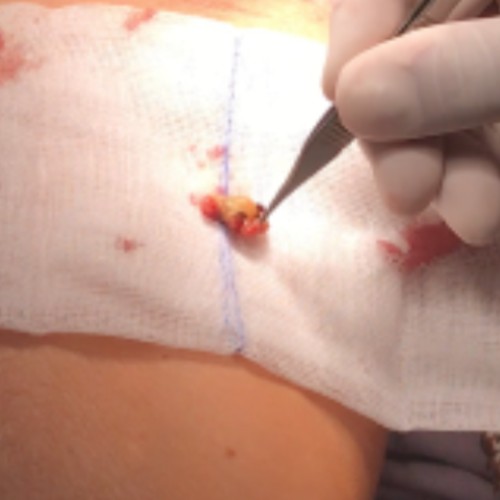
Lymph node dissection
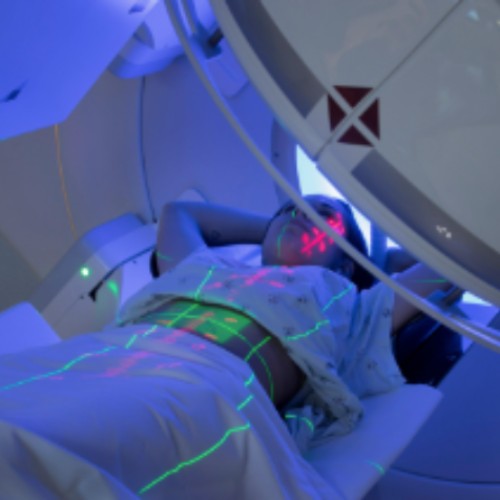
Radiotherapy
These circumstances affect the drainage of the lymph nodes, whose function is to remove toxins and waste substances from the body. But when it cannot be efficiently drained, it can lead to swelling and a sensation of heaviness in the affected area.
we aim
Not only beat lymphedema but also to improve the quality of life of all those who suffer from it.
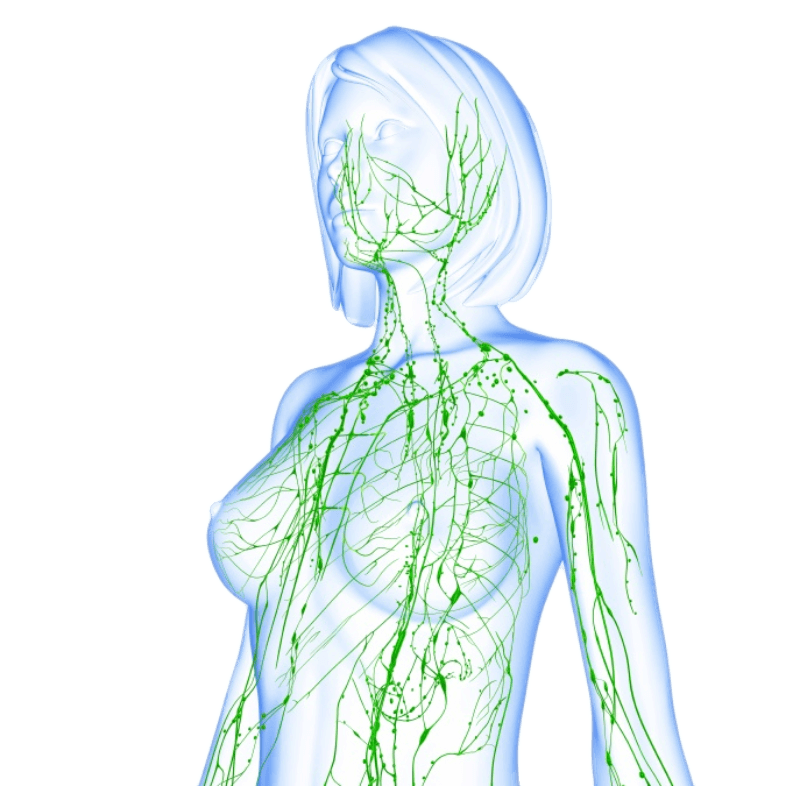
What is lymphedema?
Lymphedema is a condition characterized by obstruction of the lymphatic system, and in a high percentage, it results from cancer treatment. It involves the accumulation of lymphatic fluid in tissues, causing inflammation and discomfort.
This condition can impact the quality of life of patients, leading to both physical and emotional complications. Additionally, it increases the risk of infections and other health issues.
millions of people suffer from this condition.
Accumulation of
Lymphatic Fluid in tissues
Lymphedema can affect both the upper and lower limbs, accumulating fluid in the tissues, causing swelling and discomfort. Breast cancer is a risk factor for lymphedema, and treatments such as surgery and radiation therapy can contribute to its development.
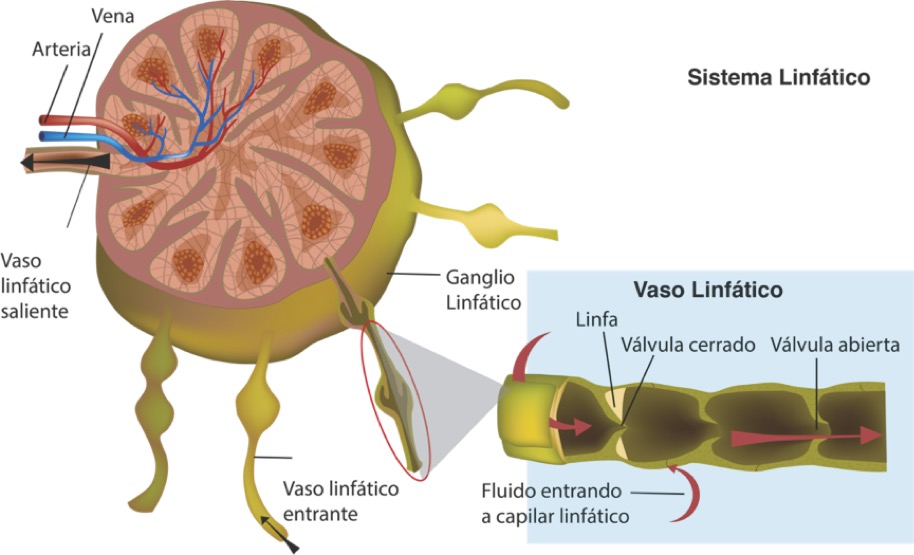
Characteristics of
Lymphedema and its stages
According to its severity:
In stage 0, there are no visible signs of swelling, but a sensation of heaviness or discomfort may be experienced in the affected area.

In stage 1, swelling is mild and may disappear with rest and elevation of the affected limb.
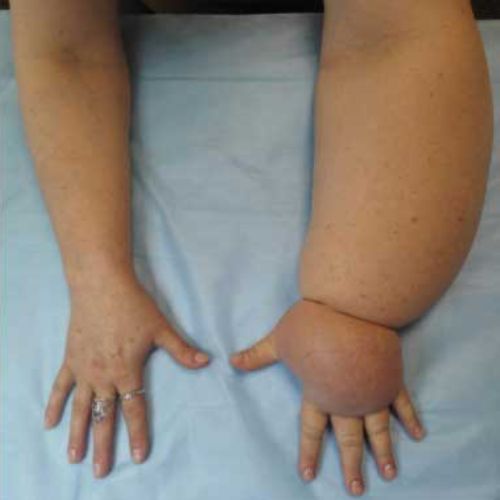
In stage 2, swelling is moderate to severe and does not disappear with rest. There may be hardening or thickening of the skin.

In stage 3, swelling is severe and may be accompanied by recurrent ulcers or infections, as well as significant limitations in the mobility of the affected limb.
Currently
Conservative treatments
Are only palliative, not curative.
Manual lymphatic drainage is a technique used as a first-line treatment for lymphedema.
Compression therapy is another effective option for reducing swelling and promoting lymph circulation in patients with lymphedema.
This therapy involves the use of tight bandages and compression garments to apply pressure to the affected limb.
The goal is to reduce fluid accumulation, improve mobility, and prevent the progression of lymphedema.
Surgical treatment is considered a last resort when other treatments for lymphedema have not been successful.
In cases where swelling and fluid accumulation persist despite conservative therapies, surgery may offer a solution.
It is important to mention that these conservative treatments only control the symptoms but do not resolve the problem.
Bandages and massages
Pharmacological
Surgical
Advanced technology for the treatment of lymphedema
Proposal
Victoria Artificial Lymphatic Vessel
Restore lymph circulation and eliminate lymphedema. This device can join the real lymphatic vessel (in its healthy segments), offering an effective treatment option for patients with this disease.
%
of efficacy in fluid simulation
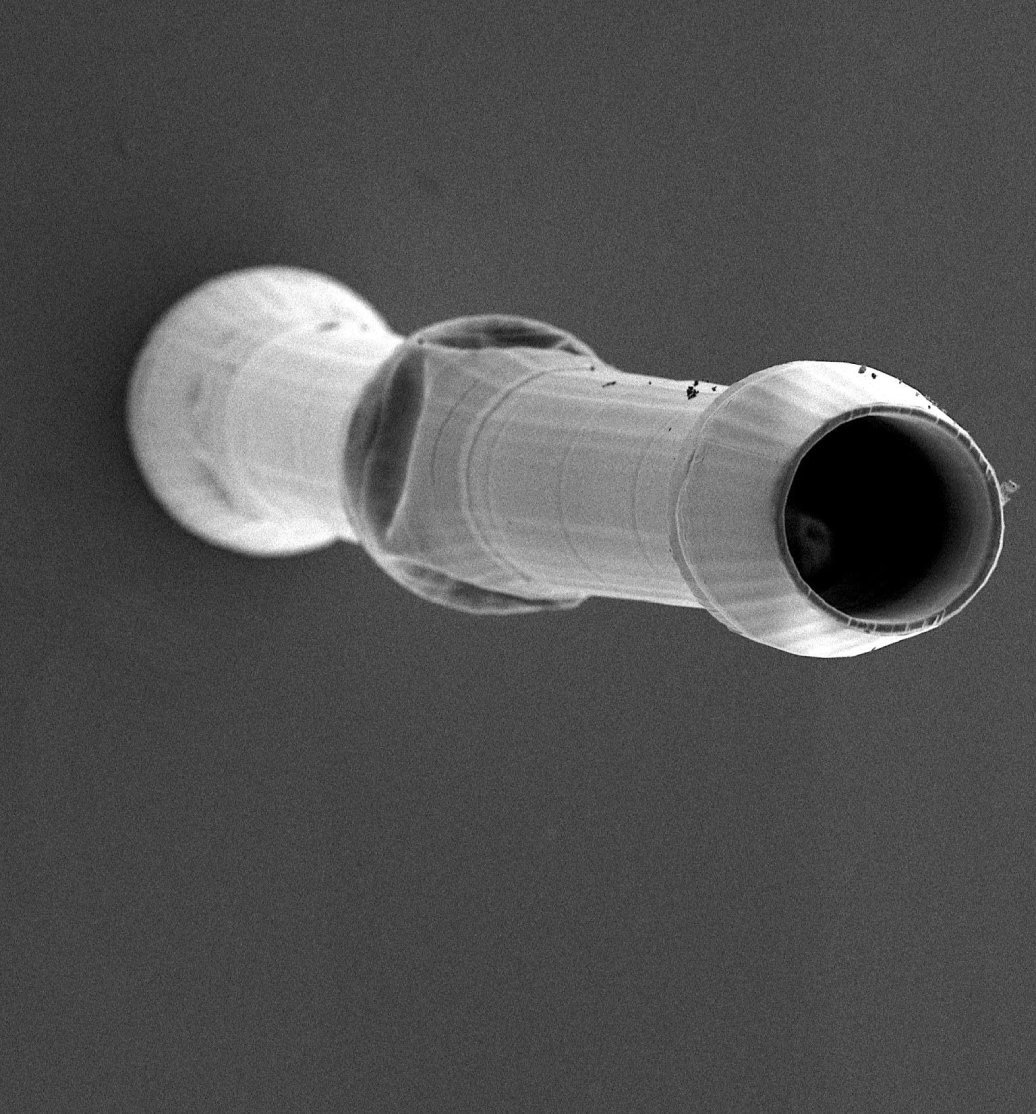
Our official printing supplier

Nanoprinting prototype


Victoria has been discussed
in various media









Who we are?
The Team

Ph.D. Gabriela Durán Aguilar

Ph.D. Alberto Rossa Sierra